When invasive ideas take over your mind, when compulsions determine your day-to-day timetable, or when past injury leaves you entraped in cycles of stress and anxiety-- it's simple to feel like you're combating an undetectable opponent. Obsessive-Compulsive Disorder and trauma commonly intertwine in methods that make complex both diagnosis and treatment, creating a web of signs and symptoms that can really feel impossible to get away. Recognizing this connection is the primary step toward discovering efficient aid that addresses the origin creates as opposed to simply handling symptoms.
The Hidden Connection In Between OCD and Injury
OCD and trauma do not constantly arrive individually. Research significantly shows that traumatic experiences-- specifically throughout childhood years-- can set off or exacerbate OCD signs and symptoms. The hypervigilance developed as a survival action to injury can morph into obsessive monitoring actions. The requirement to manage an unpredictable atmosphere throughout stressful periods can progress into rigid obsessions that assure (but never ever deliver) a feeling of safety and security.
Lots of individuals do not recognize their OCD symptoms are trauma-related because the link isn't evident. You could not bear in mind a certain distressing occasion, yet your nerves brings the imprint of chronic anxiety, emotional forget, or ongoing instability. Your brain learned that constant caution and control rituals could avoid something bad from occurring-- a coping mechanism that as soon as offered you however now holds you hostage.
The overlap develops a tough clinical image. Pure OCD therapy strategies could not completely deal with signs when unprocessed injury continues to fuel the stress and anxiety driving obsessions. Injury therapy that does not resolve OCD-specific patterns might leave you with invasive ideas that resist conventional trauma treatment protocols.
When Anxiousness Comes To Be Greater Than Worry
Anxiousness conditions and OCD feed on a range, yet they're not the same. Generalized anxiousness includes too much stress over real-life concerns-- your health, finances, relationships. OCD includes intrusive ideas that feel unusual and troubling, typically paired with obsessions carried out to counteract the anxiousness these thoughts develop.
For a person handling both injury and OCD, anxiety becomes a multi-layered experience. There's the baseline hyperarousal from unsolved injury, the intrusive thoughts characteristic of OCD, and the generalized stress and anxiety regarding handling both conditions. Your nerves exists in a consistent state of danger detection, scanning for dangers both actual and envisioned.
Reliable anxiety therapy in these situations have to be advanced enough to compare different kinds of anxiousness and address each properly. Exposure and Reaction Prevention (ERP), the gold standard for OCD therapy, functions in a different way than the grounding methods used for trauma-related anxiousness. A competent therapist can integrate these strategies, developing a therapy strategy that honors the complexity of your experience.
EMDR: Reprocessing Trauma to Reduce OCD Symptoms
Eye Activity Desensitization and Reprocessing has actually become an effective device for dealing with trauma-related OCD. This evidence-based therapy makes use of bilateral stimulation to aid your mind reprocess stressful memories that remain "" stuck"" in your nerve system. When trauma gets effectively refined, the anxiousness gas driving many OCD signs and symptoms typically lessens normally.
EMDR functions particularly well when OCD signs have clear trauma beginnings. If your monitoring compulsions started after a home burglary, or your contamination is afraid intensified following a medical injury, EMDR can target these certain occasions. As your brain reprocesses the injury, your nerves's danger action recalibrates, and the compulsions shed their urgency.
What makes EMDR unique is its ability to develop change without needing you to speak thoroughly concerning traumatic details. This matters for individuals whose OCD consists of invasive thoughts concerning their injury, or that really feel overwhelmed by standard talk treatment techniques. The reciprocal stimulation permits your brain's natural recovery systems to take control of, usually creating relief quicker than traditional therapy approaches.
Many customers report that after EMDR, their invasive thoughts lower in regularity and strength. The ideas that stay feel less "" sticky""-- much easier to see and launch without involving in obsessions. This does not mean EMDR changes OCD-specific interventions entirely, but it can considerably lower the psychological fee that makes OCD signs and symptoms so consistent.
Brainspotting: Accessing Deeper Trauma Patterns
Brainspotting represents an additional cutting-edge approach to injury therapy that reveals particular guarantee for complex OCD instances. This treatment identifies specific eye placements that accessibility unprocessed injury kept in the subcortical mind-- the areas in charge of psychological regulation and survival reactions that run listed below conscious recognition.
Unlike EMDR's structured procedure, brainspotting follows your mind's very own wisdom concerning what requires healing. An experienced therapist assists you determine a "" brainspot""-- a dealt with eye position that connects to where injury is kept in your mind. By maintaining that eye placement while concentrating on your interior experience, your mind can refine injury that might be hard to gain access to with traditional talk treatment and even EMDR.
For OCD clients, brainspotting can discover injury connections that weren't previously noticeable. You might find that your purchasing obsessions associate with childhood years experiences of mayhem, or that contamination is afraid stem from medical procedures you 'd mainly neglected. These understandings arise not via intellectual analysis however through direct accessibility to how your nerves has actually organized around these experiences.
Brainspotting's mild strategy makes it particularly suitable for individuals whose anxiety magnifies with even more instruction treatments. There's no forced exposure, no requirement to narrate terrible details, and no established timeline. Your nerve system establishes the speed, making recovery really feel less overwhelming and a lot more sustainable.
Sustaining Kids and Teens With OCD and Trauma
When OCD and trauma impact youngsters and teenagers, early treatment becomes essential. Youngsters frequently lack the language to describe their interior experiences, making diagnosis tough. A child may not claim "" I'm having intrusive thoughts""-- instead, they'll consistently ask if you locked the door, clean their hands up until they're raw, or establish inflexible bedtime rituals that interrupt domesticity.
Youngster therapy for OCD and injury calls for specialized techniques. Play treatment allows younger youngsters to process experiences they can't verbalize. Therapeutic games and art aid externalize fascinations, making them much less frightening and much more manageable. For teens, developmentally-appropriate versions of EMDR and brainspotting can generate profound results without requiring them to endure typical talk treatment sessions that really feel awkward or uninteresting.
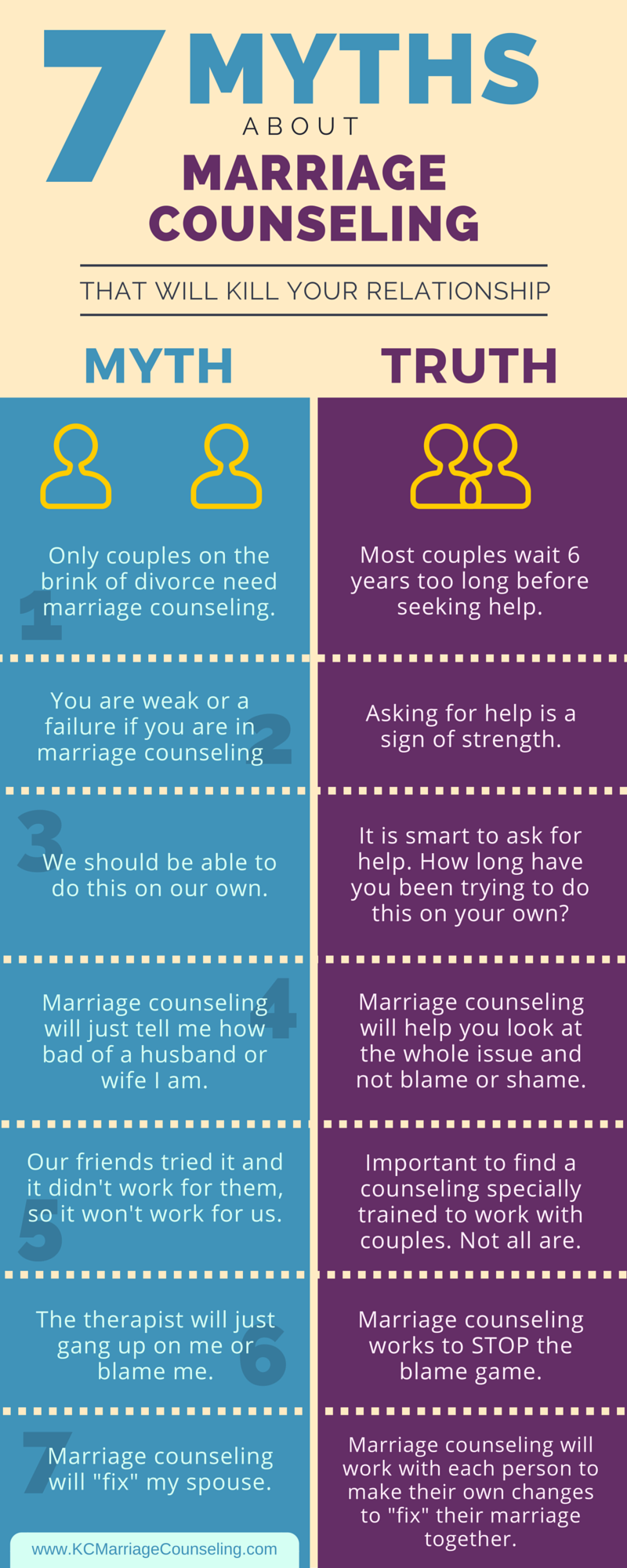
Couples Therapy NYC Professional Relationship Counseling
Household participation matters significantly in child and teen treatment. Moms and dads require education and learning about OCD and trauma to stay clear of unintentionally reinforcing signs-- like offering extreme reassurance that briefly reduces anxiousness but reinforces the OCD cycle. Specialists collaborating with young people usually consist of parent mentoring, training relative exactly how to sustain their youngster's recuperation while keeping proper borders around compulsions.
The teenage brain's neuroplasticity implies teenagers usually respond rapidly to injury treatment, occasionally a lot more swiftly than adults whose patterns have calcified over years. Early treatment can prevent OCD and injury symptoms from coming to be entrenched, providing youths tools that serve them throughout their lives.
Navigating Pain While Managing OCD
How Does Couples Therapy & Marriage Counseling Works BetterHelp
Pain adds an additional layer of intricacy for people with OCD and trauma backgrounds. Loss-- whether via death, separation, or various other significant life changes-- can trigger OCD symptom intensification. The unpredictability inherent in despair feels unbearable to a mind that looks for control via compulsions. Intrusive thoughts about the person you have actually shed, or is afraid regarding extra losses, can end up being frustrating.
Pain counseling for clients with OCD calls for a nuanced approach. Standard sorrow work motivates sitting with painful emotions, but also for a person with OCD, this can activate uncontrollable actions focused on getting away pain. Effective treatment aids you establish distress resistance while gradually refining despair, teaching you to experience despair without it spiraling right into anxiety-driven compulsions.
Lots of people discover that unsolved pain underlies their OCD signs. A childhood years loss that was never ever properly mourned might manifest years later as intrusive thoughts concerning fatality or uncontrollable habits focused on protecting against future losses. When pain obtains acknowledged and refined-- frequently through EMDR or brainspotting-- the OCD signs linked to that loss regularly diminish.
Michelle L. Clark
5/5
I've worked with Kelsey through her coaching program for therapists and she has helped me tremendously in setting up my own practice. She is knowledgeable, thorough and I've felt that she's genuinely invested in her clients’ success. I recommend her to anyone looking to grow their therapy practice with confidence and clarity. Thank you, Kelsey!
Discovering Integrated Therapy That Functions
Effective treatment for OCD and injury calls for specialists that recognize both conditions intimately and can incorporate multiple therapeutic methods. A clinician educated specifically in typical OCD therapy could miss out on trauma components driving signs and symptoms. Conversely, a trauma specialist without OCD expertise may unintentionally reinforce compulsions through well-meaning however disadvantageous interventions.
Search for specialists using detailed analyses that discover your full background-- not just present signs and symptoms. The right medical professional will certainly inquire about youth experiences, previous losses, and the context in which your OCD signs and symptoms emerged. They'll have training in evidence-based methods like EMDR and brainspotting together with OCD-specific interventions like ERP.
The restorative connection itself enters into the recovery procedure. For individuals whose injury includes dishonesty or whose OCD develops embarassment concerning invasive ideas, finding a therapist that offers authentic approval and experience produces the safety and security needed for deep job. Recovery isn't nearly sign reduction-- it's about reclaiming your life from patterns that have actually held you captive.
What Is Marriage Counseling?
Whether you're having a hard time with intrusive ideas that won't silent, obsessions that consume hours of your day, or trauma that proceeds impacting your existing, effective assistance exists. The combination of trauma therapy with OCD treatment supplies paths to flexibility that deal with root creates instead of just taking care of signs. Your recovery journey is possible, and it begins with finding assistance that comprehends the full complexity of what you're experiencing.